

Drop of Life for Every Ethiopian Child
Provide clean, safe water to Ethiopian children and families through the Drop of Life programme.
Make a donation
Amount
A one-off donation to this project

Drop of Life · £25
Drop of Life for Every Ethiopian Child
Muntada Aid is committed to providing access to clean drinking water to improve the health of 50,000 people in Ethiopia.
In Ethiopia, 60% to 80% of health problems are due to communicable diseases attributable to an unsafe water supply. Diarrhoea is the second leading cause of death among under-fives, accounting for more than 25,000 child deaths every year.
We are building a series of solar-powered water projects in the Silte province of central Ethiopia — reaching at least 30,000 people across 20 villages.

Water & Sanitation
Water and sanitation in Ethiopia
In Ethiopia, 60% to 80% of health problems are due to communicable diseases attributable to unsafe water supply. Diarrhoea is the second leading cause of under-five mortality, accounting for more than 25,000 children a year. Muntada Aid is supporting the Government of Ethiopia in increasing the number of people who have access to basic water and sanitation services.
have access to basic water supply coverage
have access to basic sanitation coverage
of communicable diseases are attributed to limited access to safe water and inadequate sanitation and hygiene services
have access to basic hygiene coverage
under-five deaths per year due to diarrhoea
of people practise improved hygiene behaviour and live in healthy environments

Child Health
The impact on children's health
Limited access to clean water jeopardises a child's chances of survival. Water scarcity increases the risk of diarrhoeal disease, a major killer of children under age five.
Other debilitating diseases such as cholera, hepatitis A, typhoid and polio are also linked to contaminated water sources. For children in conflicts, unsafe water can be just as deadly as bullets. On average, children under the age of 15 account for 73% of all cholera deaths.
For younger children the situation is even worse: children under five are more than 20 times more likely to die from diseases linked to unsafe water and sanitation than from direct violence.

Muntada Aid's solution
Solar-powered water for Silte province
We are building a series of solar-powered water projects in Silte province in central Ethiopia. These water projects will serve at least 30,000 people across 20 villages.
Muntada Aid in Ethiopia is working to provide safe access to clean water and sanitation services to women, children, adolescent girls, and vulnerable groups, and to end open defecation and adopt good hygiene and sanitation practices.
Access to clean drinking water in areas with a high prevalence of stunting and diarrhoea is a significant focus of our work. Muntada Aid is working closely with communities to improve and build resilience.
What it provides
What this water solution provides
Clean drinking water
Communities gain reliable access to safe, clean drinking water.
Water for domestic use
Dependable water for everyday household needs.
Crops & livestock
Irrigating crops and providing water for livestock.
Basic features
What this solution delivers
- Beneficiaries50,000 people
- Villages20 villages
- CountryEthiopia (Silte)
Sadaqah Jariyah
If you would like to donate a Drop of Life water project in Ethiopia and name it on behalf of a particular person, please email Parbena Khanom at:
p.khanom@muntadaaid.orgYou can also speak to our donations team at:
020 7118 0777
A story of dignity
Daughter of the Desert – Barakatu
“Water should not be a privilege. It is a human right.”
This is the story of Barakatu and how access to clean water is changing her life in the quiet corner of the Sahara.
Barakatu is 18 and lives with her parents in the village of Tanka in Niger. Due to the family's socio-economic situation, Barakatu had to leave education after finishing her primary school.
Learn moreOur process
How we assign a water well?
- Step 1
Need Assessment
Our team on the ground performs a need assessment before commissioning a water well in a specific area.
- Step 2
Soil and Water testing
Before we start the construction process, we will carry out specific water tests (depending on the country) to check the quality and safety of the water. We also collaborate with local authorities for various permissions and other legal permits needed for construction during this period.
- Step 3
Construction
The construction starts immediately after acquiring the relevant permissions from the local authorities and when suitable weather conditions permit.
- Step 4
Handover to the local community
Once the water well is constructed and ready to use safely, we hand it over to the local community.
- Step 5
Feedback
Once the water well is handed to the local population, we will share a personalised feedback report with photos of the well and beneficiaries.


Drop of Life
Bring clean water to every Ethiopian child.
Help us bring clean, solar-powered drinking water to 50,000 people across the Silte province of Ethiopia.
- Zakat eligible
- Gift Aid +25%
Galleries
Photos from the field


Drop of Life
Explore all water solutions
Every gift builds a lasting source of clean water — from a family tube well to a solar-powered station serving thousands. Pick the solution that fits your giving.
Drop of Life in Ethiopia
£25- Beneficiaries:
- Community project
- Lifespan:
- 12 years
- Ethiopia
Gaza Water Crisis
£30Only 4% of the water in Gaza is currently drinkable.
- Gaza
Tube Wells in Asia
£195- Depth:
- 10–30 metres
- Beneficiaries:
- 50–100
- Lifespan:
- 10 years
- Pakistan
- Bangladesh
Medium Size Tube Well in Pakistan
£370- Beneficiaries:
- 300–500 people
- Lifespan:
- 10 years
- Pakistan
Medium Community Well
£695- Depth:
- 15–30 metres
- Beneficiaries:
- 300–500
- Lifespan:
- 10 years
- Ghana
- Senegal
Large Community Well in Africa
£1,850- Depth:
- 25–40 metres
- Beneficiaries:
- 700–1,000
- Lifespan:
- 10 years
- Niger
Community Water Well
£2,500- Beneficiaries:
- 6,000
- Lifespan:
- 12 years
- Somalia
- Sudan
- Chad
- Tanzania
- Ethiopia
- Benin
- Togo
- Ghana
Solar Powered Water Station
£3,300- Depth:
- 50–60 metres
- Beneficiaries:
- 1,000–1,600
- Lifespan:
- 10 years
- Niger
Community Solar Powered Water Station
£25,000- Beneficiaries:
- 6,000
- Lifespan:
- 12 years
- Niger
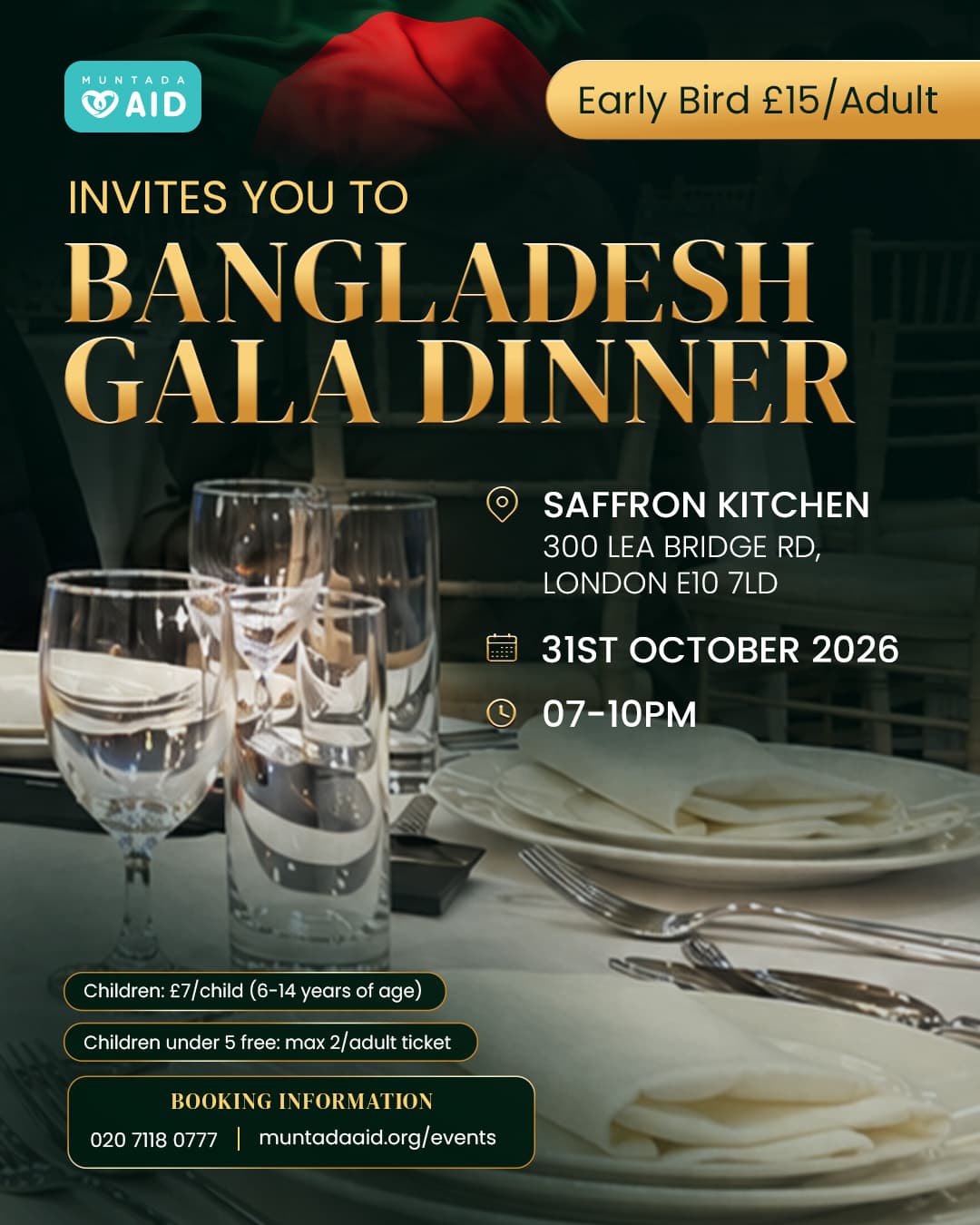
Upcoming events


Latest news

Asian Express (pg 6 & 7)
Asian Express (pg 6 & 7)

India Weekly
Cyclists help save the lives of 60 Tanzanian children after raising £128,000 through ride in Saudi Arabia - Indiaweekly

Asian Sunday
Father and founder of Muslim cycling club raises a staggering £2 Million towards causes helping women and children in Middle East & Africa
More ways to give
Other ways you can help
Prefer not to donate online? Choose the method that works best for you — every gift supports our work.